

Medical Guide & Interview Article
An interview about observations from our immunology practice in Munich
Persistent fatigue, circulatory symptoms, difficulty concentrating, or a marked deterioration after minor exertion: some people report that symptoms like these first appeared in temporal association with a COVID-19 vaccination and persisted for weeks or months. The term “Post-Vac syndrome” is often used to describe this.
The term initially describes an observation—not a uniformly defined diagnosis. This is precisely why careful, open-ended medical assessment is needed: symptoms must be taken seriously, dangerous or treatable causes must be identified, and a temporal association must not prematurely be equated with a proven causal relationship.
In an in-depth conversation with Sören Schumann, Dr. med. Dorothea Schleicher-Brückl discusses experiences from Gemeinschaftspraxis Schleicher in Munich, recurring symptom patterns, and how people affected can be supported in a medically meaningful way.
What Does “Post-Vac Syndrome” Mean?
The Paul-Ehrlich-Institut (PEI) points out that “Post-Vac” is not a medically defined disease designation and that there is currently no unambiguous case definition. [1]
At the same time, Germany’s Federal Joint Committee (G-BA) includes Post-Vac syndrome among conditions with symptoms resembling Long/Post-COVID. Its structured care pathway is explicitly intended to support people whose illness emerged after COVID-19 vaccination as well. [2]
This is not a contradiction: the absence of a case definition does not mean that a person’s symptoms are not real. Rather, it means that the term alone does not prove a cause and that diagnosis, clinical course, and treatment cannot be determined schematically.
In this article, we therefore use “Post-Vac” as a descriptive working term for longer-lasting symptoms that people report in temporal association with a COVID-19 vaccination. Whether, and to what extent, a causal relationship exists must be assessed medically in each individual case.
Persistent Symptoms after COVID-19 Vaccination: Which Symptoms Are Reported?
Fatigue, Exercise Intolerance, and Post-Exertional Malaise
Many people primarily experience pronounced fatigue, substantially reduced capacity for exertion, and a worsening of symptoms after physical or mental activity. This delayed increase in symptoms is referred to as post-exertional malaise (PEM) or post-exertional symptom exacerbation. It can begin hours later and persist for several days. Where symptoms are sufficiently pronounced, an assessment for ME/CFS is also required.
Autonomic and Cardiovascular Symptoms
Reported symptoms include tachycardia, palpitations, dizziness on standing, fluctuations in blood pressure, light-headedness, and reduced circulatory stability. Depending on the findings, orthostatic intolerance or postural orthostatic tachycardia syndrome (POTS) may need to be considered in the differential diagnosis.
Myocarditis and pericarditis are among the specific, scientifically recognised, very rare adverse events following mRNA COVID-19 vaccines. They have been observed more often in younger men and generally within a short interval after vaccination. [3] Chest pain, shortness of breath, fainting, or new and persistent tachycardia therefore require prompt medical assessment.
Neurological and Cognitive Symptoms
Possible symptoms range from headaches, concentration and memory difficulties (“brain fog”), tingling, numbness, and neuropathic pain to dizziness, sleep disorders, or pronounced sensitivity to stimuli. Neuropathy or small-fibre neuropathy must not be assumed solely on the basis of subjective symptoms; it requires appropriate neurological assessment.
Skin, Allergy-Like, and Mast-Cell-Associated Symptoms
Some patients report flushing, urticaria, itching, changing intolerances, gastrointestinal symptoms, or circulatory reactions. Mast cell activation syndrome (MCAS) is only one possible explanation. Diagnosis should be based on recognised criteria and should take other allergological, dermatological, or internal-medicine causes into account.
Autoimmune Disease, Hormonal Disorders, and Viral Reactivation
In some clinical courses, thyroid disease, rheumatological conditions, or other autoimmune disorders are diagnosed. Herpes zoster or indications of latent-virus reactivation may also occur. However, temporal coincidence does not automatically prove that vaccination caused the condition in question. Viral and autoimmune diagnostics should therefore be used selectively in response to a clinical question—not as an uncritical standard panel.
Why Medical Assessment Is Often Difficult
Many of the symptoms listed are non-specific, affect several organ systems, and cannot always be explained immediately by routine baseline diagnostics. At the same time, unnoticed SARS-CoV-2 infections, pre-existing conditions, or newly arising causes may play a role. In some people, several factors overlap.
This uncertainty is distressing for those affected. Many report initially feeling that their symptoms were not taken seriously. In medical terms, two premature conclusions are equally problematic: dismissing the symptoms as purely psychological—or inferring a confirmed vaccine-related cause solely from their timing.
A qualified assessment of suspected Post-Vac syndrome in Munich should avoid both: it takes the reported course seriously while remaining open to competing or additional explanations.
The State of Research in 2026: What Is Known—and What Is Not?
Scientific and health-policy attention has grown considerably. On January 30, 2026, Germany’s Federal Ministry of Research launched the National Decade against Post-Infectious Diseases. A total of €500 million has been earmarked for 2026 to 2035 to improve research into mechanisms, diagnostics, and therapies for Long COVID, ME/CFS, and related conditions; the accompanying information also addresses the situation of people affected by Post-Vac symptoms. [4]
A Yale research group compared 42 people with symptoms described as post-vaccination syndrome with 22 controls in a preprint study published in 2025. The researchers reported group differences in immune cells, more frequent serological evidence of recent EBV reactivation, and elevated circulating spike-protein levels in a subset of those affected. [5] The study is small and cross-sectional and, at the time of this version, should not be understood as a peer-reviewed clinical guideline. It can neither prove causation nor establish a diagnostic biomarker for routine care.
In March 2026, a Japanese registry study was also published in Scientific Reports. A total of 279 people were recorded across 14 outpatient facilities; following assessment by the study physicians, 179 cases were included in the main analysis. Commonly documented symptoms included fatigue, brain fog, dizziness, and pain in the extremities. [6] However, the registry is uncontrolled, is based on spontaneous reports, and has no denominator for the total vaccinated population. It therefore describes patterns of care and symptoms but cannot provide reliable conclusions about frequency or causality.
Post-Vac Assessment in Munich: Our Approach at the Practice
At Gemeinschaftspraxis Schleicher, assessment does not begin with a predetermined explanation but with a structured reconstruction of the clinical course. The scope and selection of examinations depend on the symptoms, existing findings, and possible warning signs. You can learn more about our diagnostic options on our Individual Diagnostics page.
- Comprehensive history and chronological assessment: We document health before vaccination; vaccine, dose, and date; onset and development of symptoms; documented or possible SARS-CoV-2 infections; exertion triggers; PEM; pre-existing conditions; medication; and treatments already received. A clear timeline is often more informative than a non-specific laboratory panel.
- Baseline diagnostics and exclusion of treatable causes: Depending on the symptoms, this may include a physical examination, vital signs, orthostatic measurements, ECG, and targeted baseline laboratory testing. Tests may include a full blood count, inflammatory markers, liver and kidney function, thyroid function, iron metabolism, and selected micronutrients. The aim is not to test “everything”, but what is medically justified.
- Symptom-led functional and specialist diagnostics: Cardiovascular symptoms may require cardiology assessment; neurological deficits may require neurological diagnostics; and respiratory symptoms may require pulmonary assessment. Where there are orthostatic symptoms, allergy-like symptoms, or signs of autoimmunity, the relevant specialties and functional tests are involved selectively.
- Immunological and specialised laboratory diagnostics: Immune status, selected autoantibodies, mast-cell parameters, or viral diagnostics may be useful when there is an appropriate clinical question. Specialised findings must nevertheless be interpreted critically: not every laboratory abnormality explains symptoms, and not every commercial test has established clinical validity.
- Synthesis of findings and a treatment plan: The final result is not simply a collection of laboratory values but a prioritised assessment: Which diagnosis is confirmed? What is probable, and what is merely possible? Which risks require monitoring? Which measures are medically appropriate and realistic in everyday life?
Treatment: Individual, Symptom-Oriented, and Transparent
There is currently no generally recognised standard protocol for complex chronic symptoms following COVID-19 vaccination. A responsible treatment plan is guided by confirmed diagnoses, predominant symptoms, individual capacity, and personal goals.
- Activity management and pacing: With PEM or post-exertional symptom exacerbation, protection from overexertion is paramount. For Post-COVID rehabilitation, the WHO recommends energy-conservation strategies such as pacing; this principle may be helpful for comparable exercise-intolerance symptoms without asserting that their cause is identical. [7]
- Treatment of confirmed diagnoses: If, for example, myocarditis, thyroid disease, iron deficiency, neuropathy, or an allergic condition is diagnosed, it is treated in accordance with the relevant medical standards.
- Symptom control: Depending on the findings, measures addressing orthostatic symptoms, sleep disorders, pain, migraine, skin and allergy symptoms, or gastrointestinal problems may be appropriate.
- Targeted correction of deficiencies: Iron, vitamins, or other micronutrients should not routinely be given in high doses, but used where a deficiency has been demonstrated and with due consideration of possible risks.
- Off-label medication only on an individual basis: Use outside a medicine’s approved indication requires a comprehensible medical rationale, information about benefits and risks, consent, and follow-up. It does not constitute proof of a generally effective Post-Vac treatment.
- Complementary approaches: Approaches from naturopathy, regulatory medicine, or neural therapy may be used as adjuncts following an individual benefit-risk assessment. Evidence varies between approaches and should be communicated openly.
- Psychological support without psychologising symptoms: Chronic illness, loss of function, and the feeling of not being heard can be extremely distressing. Psychological or trauma-focused support can be helpful without using it to explain away or diminish physical symptoms.
Our goal is not to give every person the same label or the same treatment. It is to provide a transparent assessment, treat concrete findings, and create a plan centred on stabilisation and quality of life.
A more detailed discussion of possible immunological mechanisms is available in our existing specialist article, “Long Covid, Post Covid and Post Vac—an immunological perspective on possible causes”. Our central specialty page also brings together information on Long COVID, Post-COVID, ME/CFS, and Post-Vac in Munich.
The Interview with Sören Schumann
In the conversation, Dr. med. Dorothea Schleicher-Brückl explains in greater detail which symptom patterns she encounters in everyday practice, why some clinical courses remain unexplained for a long time, and why a differentiated immunological perspective can be helpful. The interview does not replace individual diagnostics, but it provides patients and their relatives with accessible medical guidance.
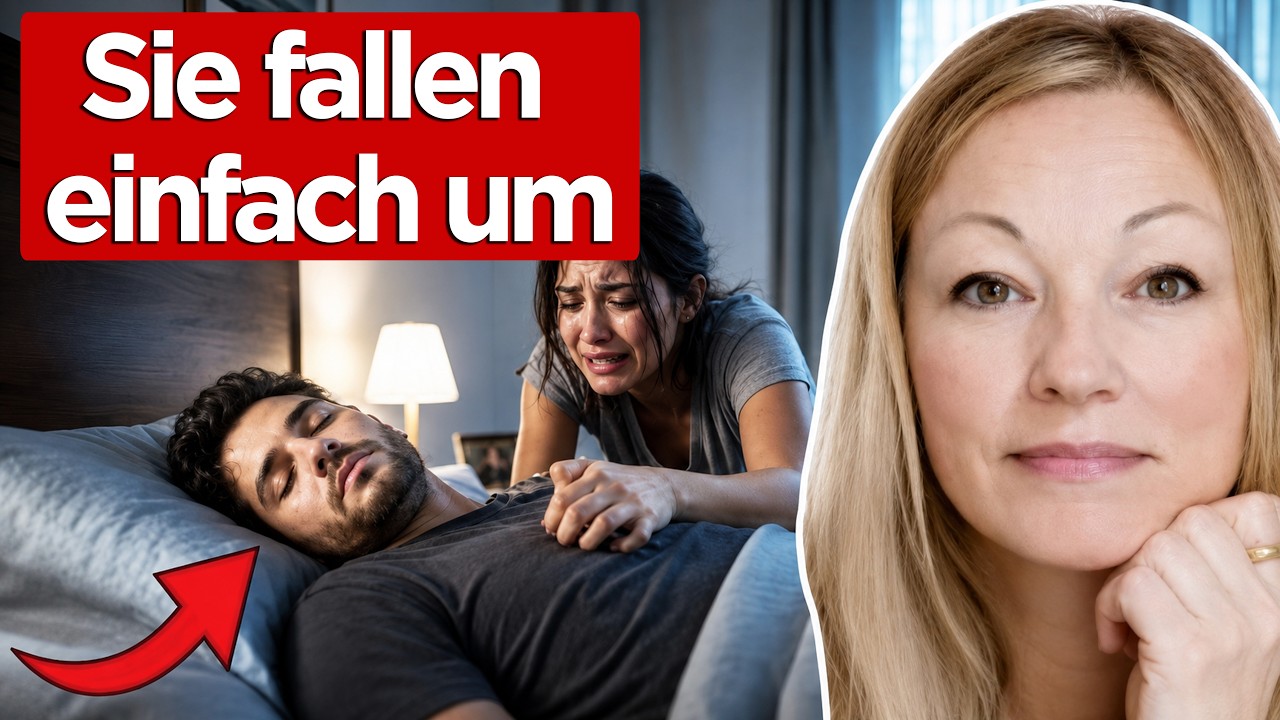
What This Doctor Has Observed since COVID—Has It All Been Concealed?
When Symptoms Require Immediate Assessment
Frequently Asked Questions about Post-Vac Syndrome
Is Post-Vac syndrome an officially recognised diagnosis?
The term is used for persistent symptoms following a COVID-19 vaccination, but according to the Paul-Ehrlich-Institut it has no uniform medical case definition. Individual, specific vaccine complications, by contrast, can be clearly diagnosed and assessed as such.
How is a possible Post-Vac condition diagnosed?
There is no single conclusive blood test. Assessment is based on a precise timeline, physical examination, symptom-oriented diagnostics, and the exclusion or confirmation of other diseases. Specialised laboratory testing can provide additional information, but it cannot replace this overall assessment.
How can Post-Vac be distinguished from Long COVID?
Long COVID requires a preceding SARS-CoV-2 infection. Distinguishing between them can nevertheless be difficult because infections may go unnoticed and the symptoms overlap. Vaccination and infection dates, the precise onset of symptoms, and the overall course are therefore central. Further information is available on our specialty page for Long COVID, Post-COVID, ME/CFS, and Post-Vac.
Is there a standard curative treatment?
There is currently no generally proven standard protocol for complex chronic Post-Vac symptoms. Confirmed diagnoses and the predominant symptoms are treated. With exercise intolerance, cautious activity management is important; other measures are determined individually.
Who can arrange a consultation at Gemeinschaftspraxis Schleicher?
The Munich practice treats privately insured patients and self-paying patients. People with German statutory health insurance may also use the services on a self-paying basis. Before an appointment is arranged, we can clarify which documents and prior findings are required.
Which documents should I bring to the appointment?
Helpful documents include your vaccination record or certificates, any PCR or antigen-test results, medical letters, laboratory and imaging reports, a current medication list, and a brief chronological overview: health beforehand, vaccination and infection dates, onset of symptoms, clinical course, and exertion triggers.
Where is the practice for Post-Vac assessment in Munich?
Gemeinschaftspraxis Schleicher is located at Ismaninger Straße 65, 81675 Munich. Appointments can be requested by telephone on 089 4194530, by email at praxis@praxis-schleicher.de, or through our online appointment page.
Careful Assessment Is the First Step
If you have experienced persistent symptoms since a COVID-19 vaccination, neither premature certainty nor blanket dismissal is helpful. The crucial steps are to document the course precisely, identify possible warning signs and treatable causes, and prioritise the next steps transparently.
At our group practice in Munich, we combine a comprehensive medical history with conventional, symptom-oriented, and immunological diagnostics. Complementary approaches are used where they appear medically appropriate and reasonable in the individual case.
Request an appointment at the practice
Warm regards,
Dr. med. Dorothea Schleicher-Brückl

Dr. med. Dorothea Schleicher-Brückl
A physician whose areas of focus include immunology and naturopathy in Munich. She combines conventional medical diagnostics with individually tailored integrative care.
Learn more about Dr. Schleicher-BrücklSources and Scientific Context
A selection of the sources used for the central medical and health-policy statements. Last accessed: August 13, 2026.
- Paul-Ehrlich-Institut: Statement on “Post-Vac” (June 29, 2023), together with its FAQ on medicine safety. The PEI describes the term as a disease designation that is not medically defined and has no unambiguous case definition.
- Federal Joint Committee: Care for Long COVID, Post-COVID, ME/CFS, and Similar Conditions, including its press release of December 21, 2023.
- Robert Koch Institute: Safety of COVID-19 Vaccination (information current as of September 29, 2025), supplemented by information from the European Medicines Agency on vaccine safety.
- Federal Ministry of Research, Technology and Space: National Decade against Post-Infectious Diseases, launched on January 30, 2026.
- Bhattacharjee B. et al.: Immunological and Antigenic Signatures Associated with Chronic Illnesses after COVID-19 Vaccination. medRxiv preprint, version 2, February 25, 2025. DOI: 10.1101/2025.02.18.25322379.
- Fujisawa A. et al.: Characterizing persistent Post-COVID-19 vaccination symptoms using MedDRA system organ class and preferred term classifications. Scientific Reports, volume 16, article 12366, published March 14, 2026. DOI: 10.1038/s41598-026-43949-z.
- World Health Organization: Post COVID-19 Condition and the Living Guideline on Rehabilitation, including guidance on pacing and energy conservation in post-exertional symptom exacerbation.
- Gemeinschaftspraxis Schleicher: Long COVID, Post-COVID, ME/CFS, and Post-Vac in Munich, including the interview with Sören Schumann published on August 7, 2026.
Medical information notice: This article provides general information and is not a substitute for an individual medical examination, diagnosis, or treatment. A temporal association between vaccination and symptoms does not automatically establish a proven causal relationship. Diagnostics and treatment must be based on the individual’s symptoms, pre-existing conditions, findings, and risks. No guarantee can be given for the effectiveness of any individual measure.